Introduction
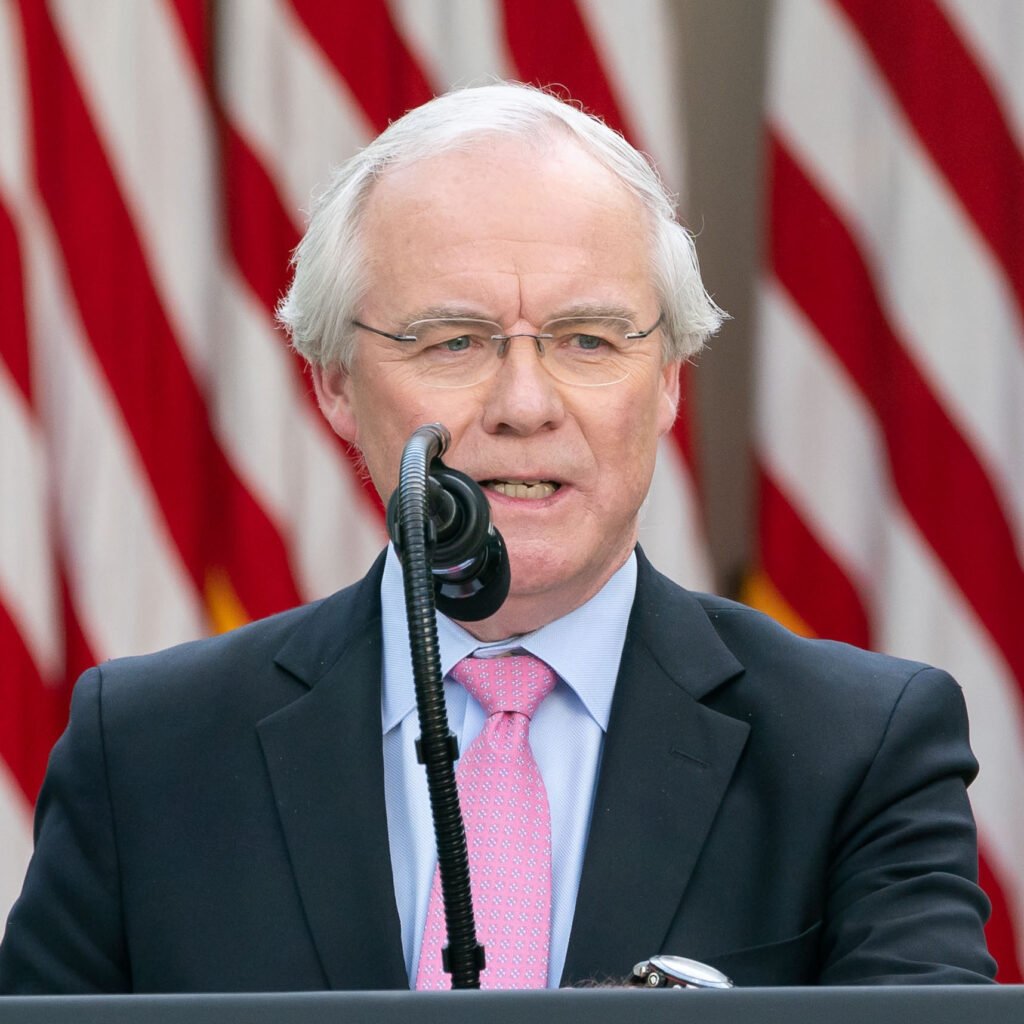
Rodney McMullen, the Chairman and CEO of The Kroger Co., is one of the most influential leaders in the retail and grocery industry. Under his leadership, Kroger has grown into one of the largest supermarket chains in the U.S., embracing innovation, sustainability, and digital transformation. With more than 2,700 stores, 420,000 employees, and annual revenues exceeding $130 billion, Kroger has remained a dominant force under McMullen’s leadership.
His journey, from a part-time stock clerk to the top executive of one of America’s largest retailers, showcases his dedication, strategic thinking, and people-first approach.

Early Life and Education
Rodney McMullen was born in 1961 in Pineville, Kentucky, a small Appalachian town. Growing up in a modest, working-class family, he learned the value of hard work and perseverance at an early age. His parents instilled in him a strong sense of responsibility, and he worked various jobs during his youth to support his education.
Recognizing the importance of financial literacy, McMullen pursued a degree in accounting at the University of Kentucky. He graduated with both a bachelor’s and master’s degree in accounting, demonstrating a strong aptitude for numbers and business strategy. His analytical mindset and problem-solving skills made him well-suited for the corporate world.
Career at Kroger: From Stock Clerk to CEO
Rodney McMullen’s career at Kroger began in 1978, when he took a job as a part-time stock clerk in Lexington, Kentucky, while still in college. His early experiences on the store floor gave him valuable insight into the challenges faced by employees and customers—knowledge that would later shape his leadership style.
Climbing the Corporate Ladder
Rodney McMullen, quickly moved up the ranks, taking on various roles in accounting, operations, and financial strategy. His ability to analyze complex financial data and identify cost-saving measures caught the attention of senior executives.
- 1989: At just 29 years old, McMullen was promoted to Chief Financial Officer (CFO), making him one of the youngest executives in Kroger’s history.
- 1997: He became Group Vice President, overseeing strategy and finance.
- 2000: Promoted to Executive Vice President, where he played a critical role in expanding Kroger’s market reach.
- 2003: Became Vice Chairman, responsible for long-term growth strategies.
- 2009: Took on the role of President and Chief Operating Officer (COO), leading daily operations.
- 2014: Became CEO, succeeding David B. Dillon.
Transforming Kroger as CEO
As CEO, McMullen has focused on expansion, digital transformation, sustainability, and workforce investment, helping Kroger stay competitive in a rapidly evolving industry.
1. Embracing Digital Transformation
Understanding the shift toward online grocery shopping, McMullen led Kroger’s digital transformation strategy, which included:
- Kroger Pickup & Delivery: Customers can order groceries online and pick them up at stores or have them delivered to their homes.
- Kroger Ship: A direct-to-consumer service offering nationwide shipping of household essentials.
- Ocado Partnership: In 2018, Kroger partnered with Ocado, a UK-based company specializing in automated grocery fulfillment centers. This investment improved Kroger’s efficiency in processing online orders and competing with Amazon and Walmart.
- AI and Data Analytics: Kroger uses artificial intelligence and predictive analytics to optimize inventory, personalize promotions, and reduce food waste.
2. Strategic Acquisitions and Market Expansion
McMullen has led several major acquisitions and partnerships, strengthening Kroger’s market position:
- Home Chef (2018): Kroger acquired Home Chef, a meal kit company, to compete with Blue Apron and HelloFresh.
- Albertsons Merger (2022): Kroger announced a $24.6 billion merger with Albertsons, which, if approved, would create a grocery powerhouse, giving it a broader national presence.
3. Commitment to Sustainability
McMullen has positioned Kroger as a leader in sustainability and corporate responsibility, launching several key initiatives:
- Zero Hunger | Zero Waste (2017): Aiming to eliminate food waste and fight hunger in local communities by 2025.
- Renewable Energy Investments: Kroger has invested in solar and wind energy to reduce its carbon footprint.
- Plastic Waste Reduction: Kroger announced plans to eliminate single-use plastic bags and increase the use of sustainable packaging.
4. Employee Investment and Workforce Support
McMullen believes that a company’s success depends on its employees. Under his leadership, Kroger has:
- Increased wages and benefits, with many employees now earning above the industry average.
- Offered tuition reimbursement and training programs to help employees grow in their careers.
- Provided hazard pay and bonuses during the COVID-19 pandemic to recognize frontline workers.
5. Competing with Industry Giants
Kroger faces tough competition from Amazon (Whole Foods), Walmart, and discount retailers like Aldi and Lidl. To stay ahead, McMullen has:
- Expanded private-label brands, offering high-quality products at lower prices.
- Focused on customer experience, using technology to provide personalized recommendations.
- Strengthened supply chain resilience, ensuring store shelves remain stocked during disruptions.
Leadership Style and Philosophy
Rodney McMullen is known for his humble and approachable leadership style. Despite being a CEO, he often visits Kroger stores, talking to employees and customers to understand their needs.
Core Leadership Principles
- People-First Approach: Prioritizes employee well-being and customer satisfaction.
- Innovation-Driven: Embraces new technology to improve efficiency.
- Long-Term Vision: Focuses on sustainable growth rather than short-term gains.
- Adaptability: Keeps Kroger competitive by responding to industry changes.
Challenges and Future Outlook
Despite Kroger’s success, McMullen faces several challenges:
- Regulatory Scrutiny: The proposed Albertsons merger faces opposition from regulators concerned about monopolization.
- Inflation and Rising Costs: Higher food prices could impact sales and customer loyalty.
- Changing Consumer Habits: As more people shop online, Kroger must continue improving its digital offerings.
Looking ahead, McMullen plans to:
- Expand AI-driven customer insights to offer better personalization.
- Increase investments in automation and robotics to improve efficiency.
- Strengthen sustainability efforts to meet environmental goals.
Legacy and Impact
Rodney McMullen’s rise from a stock clerk to CEO of one of the biggest grocery chains in the U.S. is an inspirational story of hard work and perseverance. His leadership has transformed Kroger into a modern, digitally savvy, and sustainable company that remains competitive in the evolving grocery industry.
With his commitment to innovation, customer service, and corporate responsibility, McMullen has cemented his legacy as a visionary leader shaping the future of retail.
Table of Contents
Explore More Exciting Posts Here!
Chhaava Movie : A Grand Tribute to Chhatrapati Sambhaji Maharaj
Dabba Cartel 2025 : A Thrilling Crime Drama Series on Netflix